Get Insulated Siding Installation
Insulated siding installation services help property owners improve energy efficiency, protect against weather damage, and enhance curb appeal through professional siding upgrades by local contractors.
Insulated siding installation is a practical upgrade for property owners seeking to enhance their building's energy efficiency and curb appeal. By adding insulation directly beneath siding, homeowners and business owners can help reduce heating and cooling costs while protecting their structures from temperature fluctuations. This service is often considered during renovations or upgrades to improve overall comfort and long-term durability, making it a valuable consideration for those planning property improvements.
For those exploring options in the local area, a variety of experienced contractors can provide insulated siding installation tailored to specific needs. Comparing different service providers allows property owners to find the right fit for their project, ensuring the work aligns with their goals for quality and performance. Continuing to explore local options can help in making informed decisions about this beneficial enhancement for any property.
- Residential homes - homeowners seeking to improve energy efficiency and curb appeal may need insulated siding installation.
- Older properties - older buildings requiring updates to enhance insulation and reduce heating and cooling costs often require professional siding services.
- New construction projects - builders and contractors may look for local service providers to install insulated siding on new homes and developments.
- Renovation projects - property owners updating or remodeling their exteriors might need insulated siding to achieve better thermal performance.
- Commercial buildings - business owners aiming to improve insulation and exterior durability may contact local contractors for insulated siding installation.
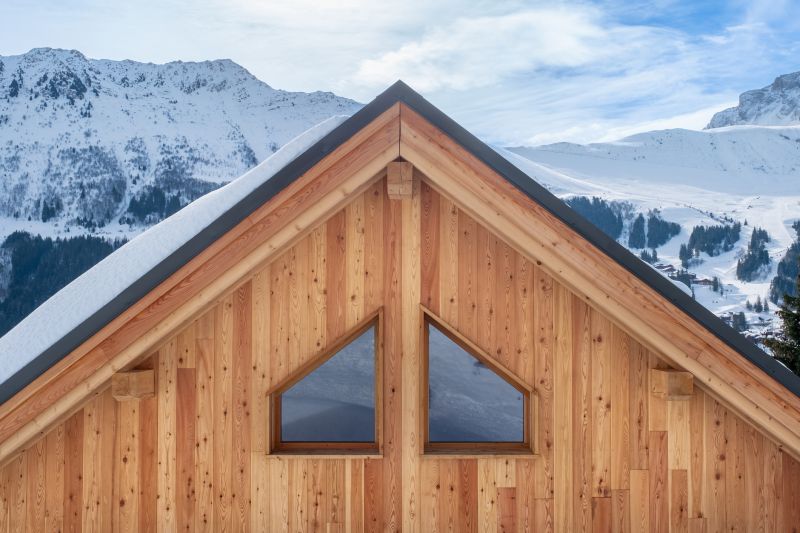
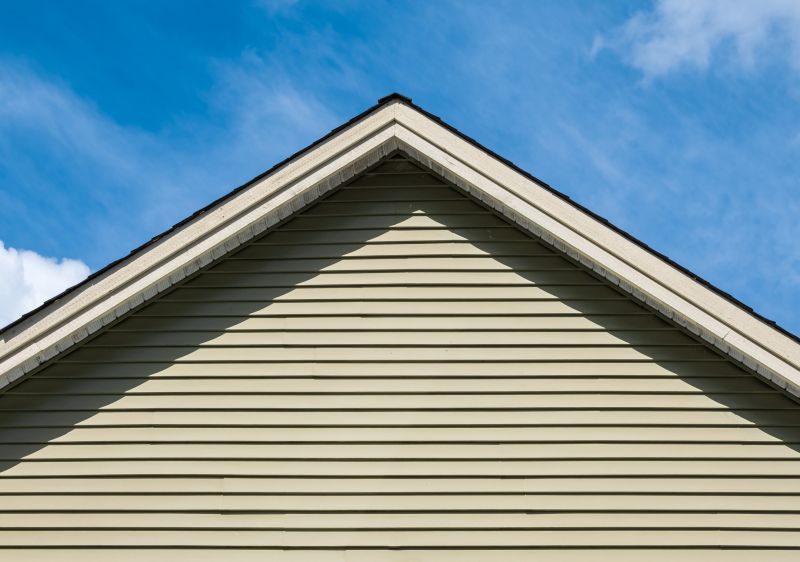
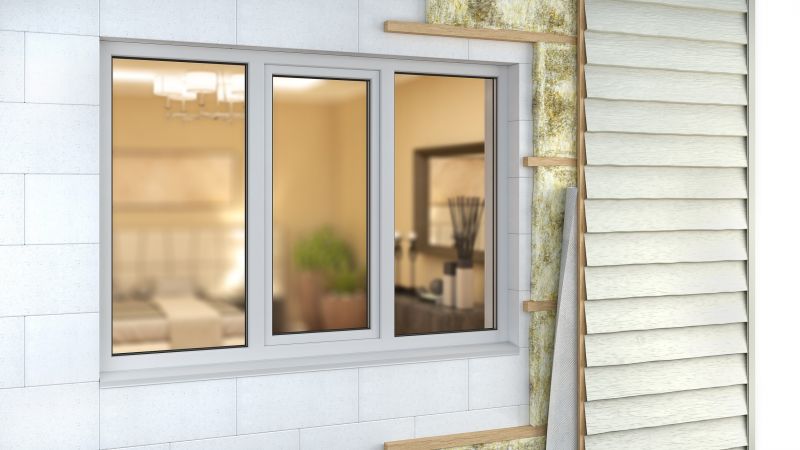
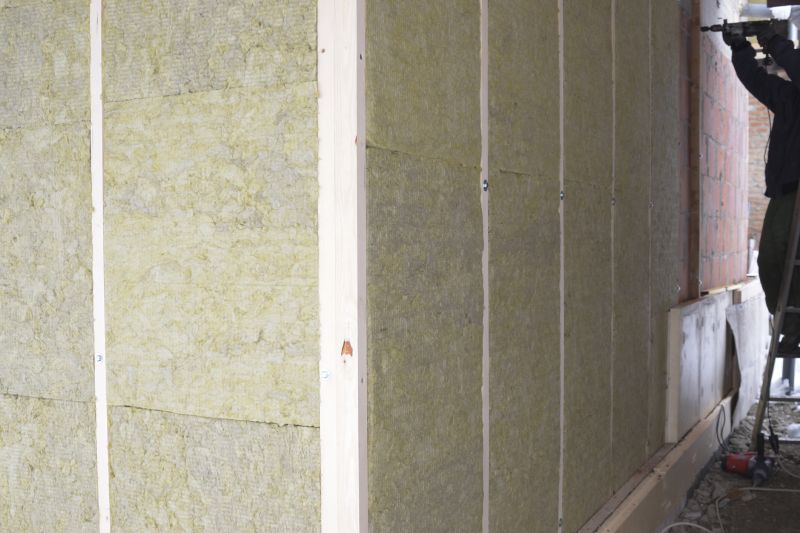
Insulated siding installation involves attaching a layer of foam insulation beneath exterior siding to improve energy efficiency and enhance curb appeal. This service typically includes removing existing siding, preparing the wall surface, and carefully installing the insulation panels before reapplying or upgrading the exterior cladding. The process helps create a more consistent thermal barrier, reducing heat transfer through walls and making indoor environments more comfortable. Homeowners interested in this service often seek it out to improve their home's insulation performance, especially in climates with significant temperature fluctuations.
One of the primary benefits of insulated siding is its ability to address common problems such as drafts, rising energy bills, and uneven indoor temperatures. By adding a layer of insulation, it minimizes heat loss during colder months and prevents heat gain in warmer periods. This can lead to noticeable savings on utility costs over time. Additionally, insulated siding can help reduce exterior noise infiltration, creating a quieter indoor environment. It also provides extra protection against the elements, helping to prevent issues like moisture intrusion and siding damage caused by harsh weather.
Insulated siding installation is suitable for a variety of property types, including single-family homes, townhouses, and multi-unit residential buildings. It is often chosen for properties that are older or have existing siding that no longer provides adequate insulation. Commercial buildings and small-scale multi-family complexes may also benefit from this upgrade. Generally, properties that aim to improve energy efficiency, reduce maintenance needs, or enhance exterior durability are good candidates for insulated siding services.
Homeowners considering this upgrade should look for local contractors experienced in siding installation and insulation work. These service providers can assess the specific needs of a property, recommend appropriate siding materials, and ensure proper installation techniques. Choosing qualified local pros can help ensure the project is completed smoothly, with results that improve both the appearance and performance of the home. Contacting local service providers is a practical step toward making informed decisions about insulated siding and its potential benefits for a property.
The overview below groups typical Insulated Siding Installation projects into broad ranges so you can see how smaller, mid-sized, and larger jobs often compare in your area.
In many markets, a large share of routine jobs stays in the lower and middle ranges, while only a smaller percentage of projects moves into the highest bands when the work is more complex or site conditions are harder than average.
Smaller Repairs - For minor insulation repairs or patching, local contractors typically charge between $250 and $600. These jobs usually involve addressing specific damaged areas and are the most common type of project.
Partial Siding Replacement - Replacing sections of insulated siding generally falls within the $1,000 to $3,000 range. Many projects of this size stay within this middle tier, though larger or more complex jobs can reach higher costs.
Full Siding Installation - Installing insulated siding across an entire home often costs between $5,000 and $15,000. Larger, more detailed projects can exceed this range, but most fall within this typical band.
High-End or Custom Projects - Extensive or custom-designed insulated siding installations can go beyond $20,000. These projects are less common and usually involve complex features or premium materials, leading to higher costs.
Actual totals will depend on details like access to the work area, the scope of the project, and the materials selected, so use these as general starting points rather than exact figures.
Siding Repair and Replacement - local contractors experienced in siding repair and replacement often utilize similar skills and tools when working with insulated siding installations.
Exterior Wall Insulation - projects involving exterior wall insulation require planning and techniques comparable to installing insulated siding for energy efficiency.
Home Cladding Installation - cladding projects involve similar surface preparation and attachment methods as insulated siding services.
Facade Renovation - facade renovation work shares planning and material handling skills with insulated siding installation projects.
Weatherproofing and Sealing - weatherproofing tasks involve techniques that complement the installation and performance of insulated siding systems.
Window and Door Wraps - applying wraps around windows and doors involves similar planning and sealing skills as part of insulated siding projects.
When evaluating local contractors for insulated siding installation, it’s important to consider their experience with similar projects. Homeowners should inquire about the types of siding projects the service providers have completed in the past and whether they have worked with homes comparable in size and style. A contractor’s familiarity with different insulation materials and installation techniques can influence the quality and durability of the finished work. Reviewing the background of local service providers can help ensure they have the practical knowledge necessary to handle the specific requirements of the project.
Clear communication and well-defined expectations are essential when choosing a contractor. Homeowners should seek service providers who can articulate their process, materials, and scope of work in straightforward terms. Having detailed, written descriptions of the project can help prevent misunderstandings and ensure everyone is aligned on the goals. It’s beneficial to ask potential contractors about their approach to planning, how they handle questions or concerns, and how they keep clients informed throughout the process.
Reputation and references are key indicators of a reliable contractor. Homeowners are encouraged to request references from previous clients or review testimonials that highlight the contractor’s professionalism and quality of work. Verifying a local service provider’s reputation can provide insight into their reliability and the satisfaction of past customers. Good communication and a history of positive feedback often suggest that the contractor is committed to delivering a professional experience, making it easier for homeowners to find a trusted partner for their insulated siding project.
Property owners use Insulated Siding Installation services for practical projects around their homes and businesses. This guide focuses on everyday jobs and straightforward project options.
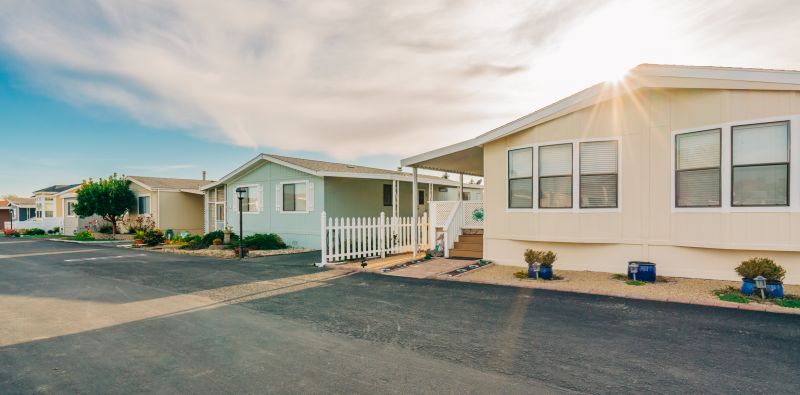
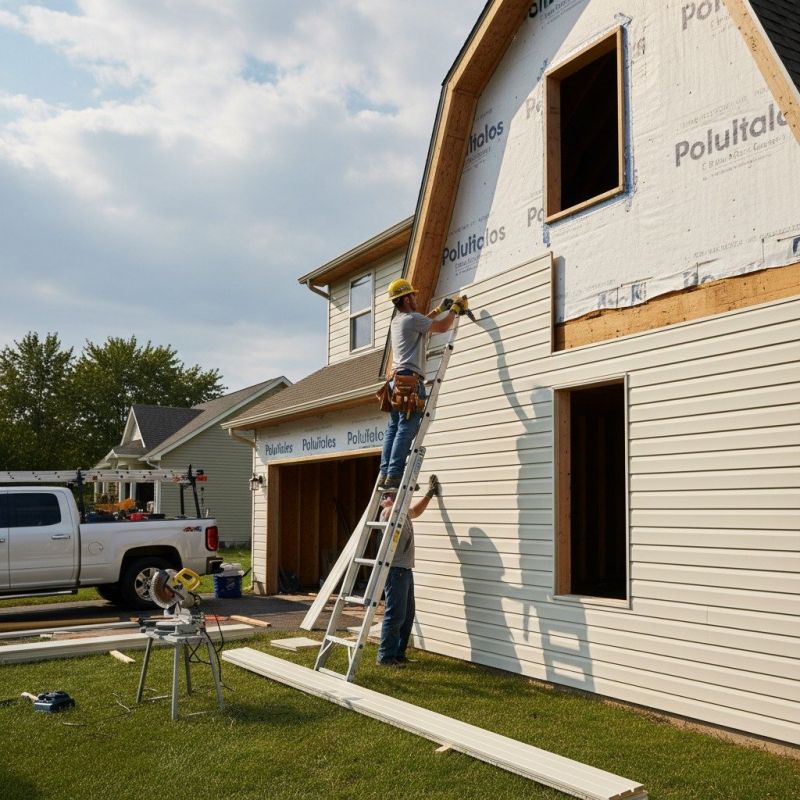
Insulated siding installation is a common project for property owners looking to improve energy efficiency and enhance the appearance of their homes. Local contractors often handle situations where older siding has become worn or damaged, leading to increased heating and cooling costs. Property owners may also seek this service when preparing their homes for resale or simply wanting to upgrade to more modern, durable siding options that provide better insulation and curb appeal.
Many property owners turn to local service providers when their current siding no longer meets their needs or has been affected by weather-related wear. Insulated siding can help reduce noise, improve indoor comfort, and protect against the elements. Whether replacing outdated siding or installing it on a new build, local contractors can assist with the installation process, ensuring the job is done efficiently and professionally.
What are the benefits of insulated siding installation? Insulated siding can improve energy efficiency, enhance curb appeal, and provide added durability to a home’s exterior.
How do local contractors install insulated siding? Experienced service providers typically prepare the existing surface, attach insulation panels, and then install the siding for a seamless finish.
Is insulated siding suitable for all types of homes? Insulated siding is versatile and can be installed on most residential exteriors, but it's best to consult with local contractors to determine compatibility.
What maintenance is required for insulated siding? Insulated siding generally requires minimal maintenance, such as regular cleaning and inspections for damage or loose panels.
Can insulated siding improve a home's energy efficiency? Yes, insulated siding can help reduce heat transfer, potentially leading to better energy conservation inside the home.
Energy Efficiency Improvement - Insulated siding can help property owners reduce heating and cooling costs by enhancing wall insulation. Local contractors can install this siding to improve overall home comfort.
Exterior Home Renovation - Homeowners planning to upgrade their property's appearance might consider insulated siding for a fresh, modern look. Service providers can assist with a variety of styles and finishes.
Weather Protection - During seasonal changes, property owners can add insulated siding to better protect walls from moisture and temperature fluctuations. Local pros can ensure proper installation for durability.
Increasing Property Value - Insulated siding can be a practical upgrade for those looking to boost curb appeal and resale value. Local contractors can help integrate this feature into existing or new exterior designs.
If you are thinking about Insulated Siding Installation for a property, this guide is meant to help you understand the work, the typical project types, and how different options might fit your plans.
When you are ready, you can use the quote form on this page to share a few details about your project. From there, local pros can review the basics and respond with options that match what you have in mind.